


Salkantay Trek vs Inca Trail
What is the Inca Trail?
The Inca Trail is an iconic trek consistently ranked among the best hikes in the world. However, in many blogs, you’ll find that the Classic Inca Trail is always crowded and fully booked year-round. Let me tell you, this is not entirely true. If you plan smartly, you can hike the Inca Trail and enjoy this incredible journey with fewer tourists.
What is the Salkantay Trek?
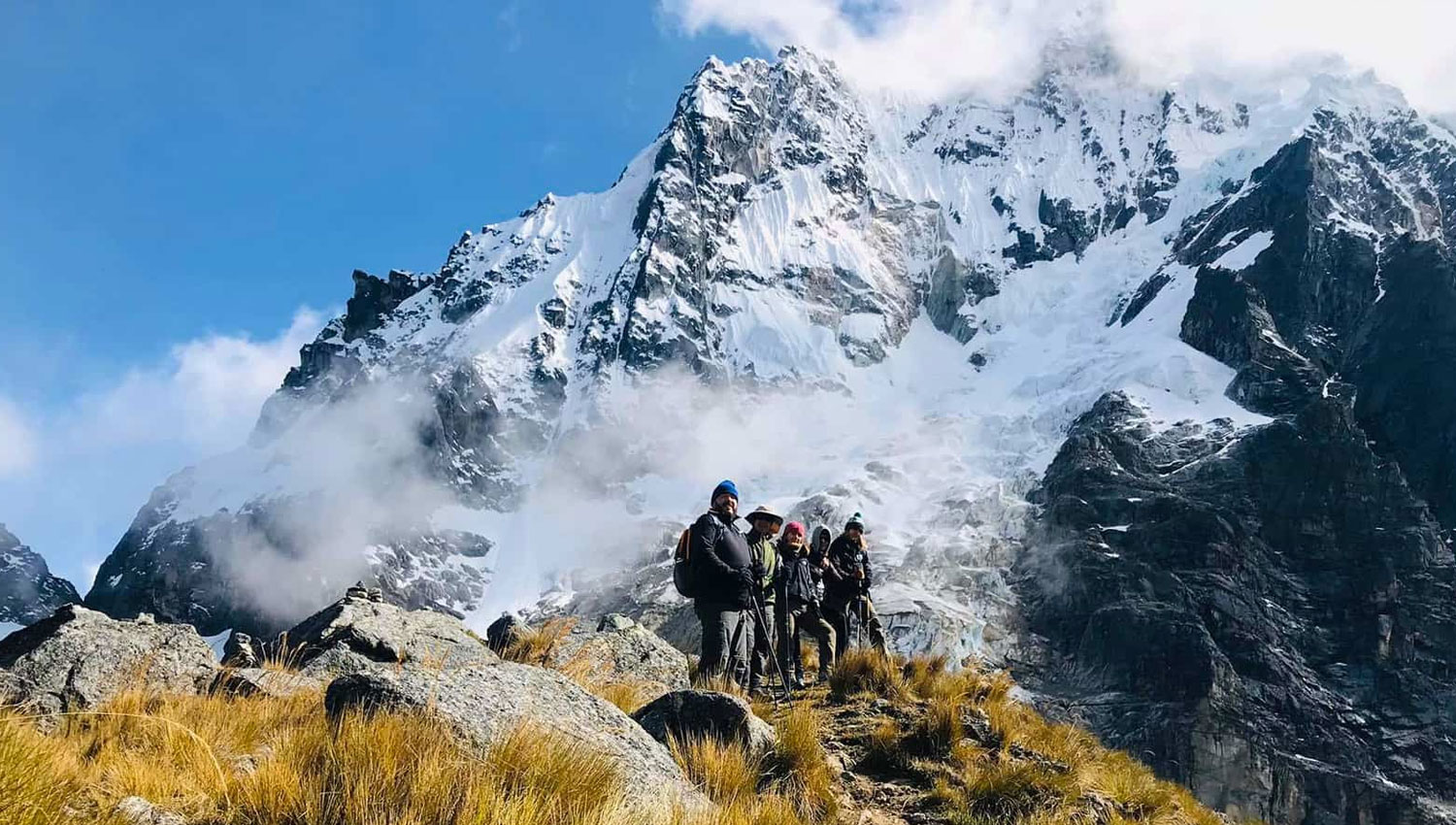
The Salkantay Trek is the less popular journey but one with more wildlife, stunning mountains, and cloud forest landscapes. This trek is the best alternative to the Inca Trail to Machu Picchu. It is longer and more challenging but offers spectacular scenery and a more authentic experience in the Peruvian Andes.
Whichever option you choose, you’ll have a wonderful time, as both offer breathtaking views, archaeological sites, and fascinating history. Below are some facts and differences to help you choose the one that suits you best.
Hiking Distance
Both treks have different distances, depending on the type of itinerary or route you choose. It shouldn’t be surprising if some websites show varying numbers of kilometers.
Distance of the Inca Trail
The Sacred Valley is the starting point of the Classic Inca Trail, which begins in the small town of Piscacucho, also called Km 82. You can choose between a 4-day or 5-day journey, depending on your group size, pace, and available time. Both routes follow the same trail, which is 43 kilometers (26 miles) long.
Distance of the Salkantay Trek
The Salkantay Trek begins in the district of Mollepata. You can choose from various routes, schedules, and starting points. The traditional Salkantay Trek route starts near the Soraypampa camp and takes you to the Humantay Lagoon, Salkantay Pass, cloud forest, and Machu Picchu. A 5-day trek covers a total distance of 60 kilometers (37 miles).
Altitude of the Inca Trail vs. Salkantay Trek
Altitude sickness is a common issue on a trip to Machu Picchu, so we recommend arriving at least two days before your hike. Drink plenty of water before and during the trek and eat lightly in the first days.
Altitude of the Inca Trail
During the Inca Trail, you will climb two major mountains: Dead Woman’s Pass (4,215 m / 13,829 ft), which takes around 6 hours to ascend and about 2 hours to descend; and Runqurakay Pass, located at 4,000 meters (13,123 ft), which takes 2 hours to reach the summit.
Although the Inca Trail is at a lower altitude than the Salkantay Trek, you will spend a considerable amount of time above 3,000 meters (9,842 ft). This increases the likelihood of experiencing altitude sickness.
Altitude on the Salkantay Trek
The highest point of the Salkantay Trek is 4,630 m (15,190 ft), nearly 200 meters higher than the highest point of the Inca Trail. However, only one mountain exceeds 3,000 m (9,842 ft).
The chances of altitude issues are higher on the Salkantay Trek, but you will only spend two days at high altitudes. You’ll enjoy the cloud forest with an average altitude of 2,600 m (8,530 ft) and warm, pleasant weather for the rest of the trek.
Scenery of the Inca Trail vs. Salkantay Trek
Stunning Views Along the Inca Trail
The Inca Trail offers breathtaking views of surrounding mountains, Inca ruins, and cloud forests, as well as the first glimpse of Machu Picchu from the Sun Gate on the last day of the trek.
Scenery Along the Salkantay Trek
The Salkantay Trek provides more diverse and stunning landscapes than any other trek: lakes, glaciers, and cloud forests. Without a doubt, the view from Llaqtapata to Machu Picchu from a different mountain is one of the best in the world.
Availability of the Inca Trail vs. Salkantay Trek
While there are limited spaces on the Inca Trail, the Salkantay Trek is open for booking at any time. During peak season, the Salkantay Trail can accommodate more people in a single group than the Inca Trail.
Permits for the Inca Trail
The number of people allowed on the Inca Trail in a single day is limited to a maximum of 500. This includes porters, guides, cooks, and travelers. The daily average of tourists is about 200. This number is significantly higher than the number of people on the Salkantay Trek.
Group management on the Inca Trail is excellent. A tour guide can lead a maximum of 8 people at a time. Each group is limited to 16 participants and led by two guides; if the group exceeds 16 people, it will be split into two separate treks.
Some feel the Inca Trail is crowded with tourists. This is not necessarily true. Depending on the schedule, camp location, and different group departure times, you may or may not encounter other travelers.
It can be enjoyable to stop and chat with someone and meet people while struggling up the mountain, so this aspect of the Inca Trail isn’t entirely bad.
Entries for the Salkantay Trek
Unlike the Inca Trail, the Salkantay Trek isn’t subject to the same strict regulations. This means you are free to camp anywhere your guide and trekking team choose. Companies can decide how many people to include in each group or sell tickets to as many people as possible.
Although fewer hikers are on the Salkantay Trek daily, the number of people in your group or alongside you on the trail will depend on your chosen itinerary and the company you hire. I mention this because I’ve seen groups with up to 30 or 40 people. Large groups can be fun, but you should consider everyone’s fitness level, pace, and preferences.
There will be days when you’ll see more tourists on the Salkantay Trek than on the Inca Trail. Only 200 people reach Machu Picchu daily via the Inca Trail, while an average of 4,000 people arrive at Machu Picchu daily, meaning there’s a chance you’ll encounter more people on the Salkantay Trek on certain days.
